
Understanding air conditioner energy star ratings: what Australian homeowners need to know
Stars on the box, dollars on your bill. The labels actually mean something — once you know what.
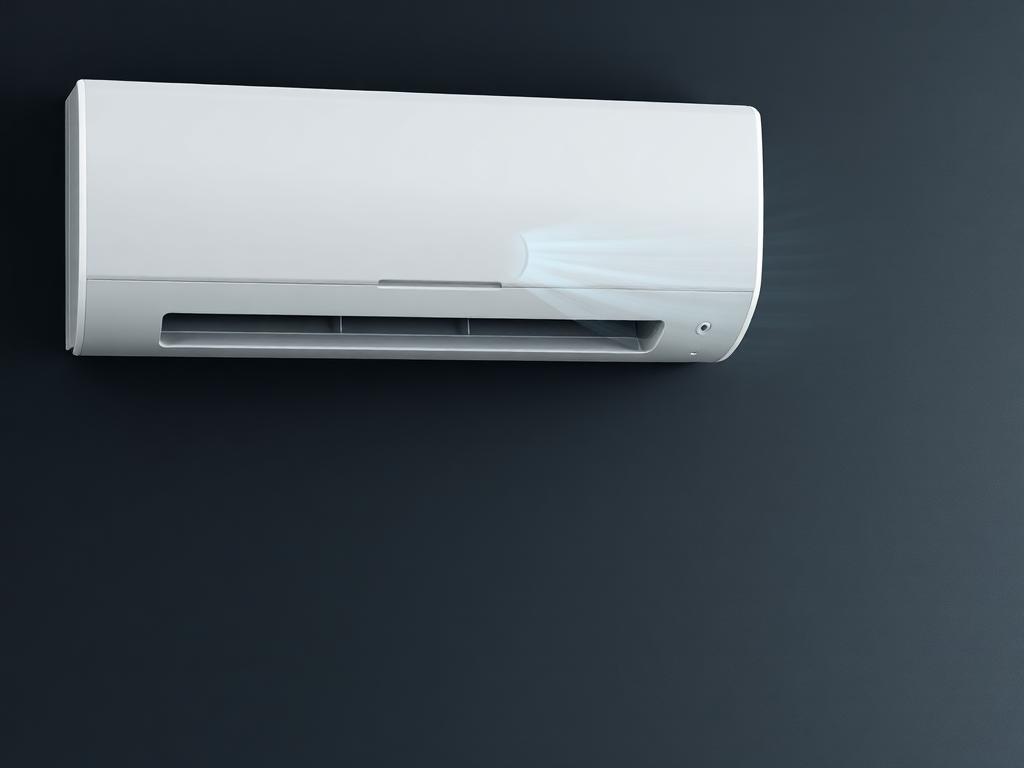
Every air conditioner sold in Australia carries an Energy Rating Label with a star rating from 1 to 10. But what do those stars actually mean for your electricity bill?
The Energy Rating Label
- 01The more stars, the more efficient the unit.
- 02Most modern reverse-cycle air conditioners display separate star ratings for cooling (blue) and heating (red).
- 03The 10-star super-efficiency label applies to units rated at 7 stars or above.
- 04The label also shows estimated annual energy consumption in kilowatt hours, allowing direct model-to-model comparison.
The Zoned Energy Rating Label (ZERL)
Australia introduced the ZERL to account for the fact that the same air conditioner performs differently in Darwin vs Hobart. The ZERL provides efficiency star ratings specific to three climate zones (Hot, Average, Cold), helping you select the optimal unit for your location, not just the one with the highest generic star count.
Minimum Energy Performance Standards (MEPS)
- 01Under the Greenhouse and Energy Minimum Standards Act 2012, all air conditioners sold in Australia must meet minimum AEER for cooling and ACOP for heating.
- 02Under NCC 2025 updates, minimum EER values for split and packaged systems increased by approximately 10 to 15% across all capacity ranges.
- 03For single-phase units under 65kW, minimum ACOP starts at 3.1 (varies by product class and capacity).
How much can an efficient unit save?
A 6-star rated unit can use 30 to 40% less electricity than a 3-star rated unit of equivalent cooling capacity.
The CHOICE 8-degree rule (setting your thermostat within 8°C of outdoor temperature) maximises efficiency. Every degree beyond that differential adds roughly 10% to running costs.
From Amali Electric
When we recommend and install air conditioning systems, we factor in your local climate zone, room dimensions, insulation levels and window orientation, ensuring the unit selected delivers on its rated efficiency in your actual living environment.